
 Image 1 of 1
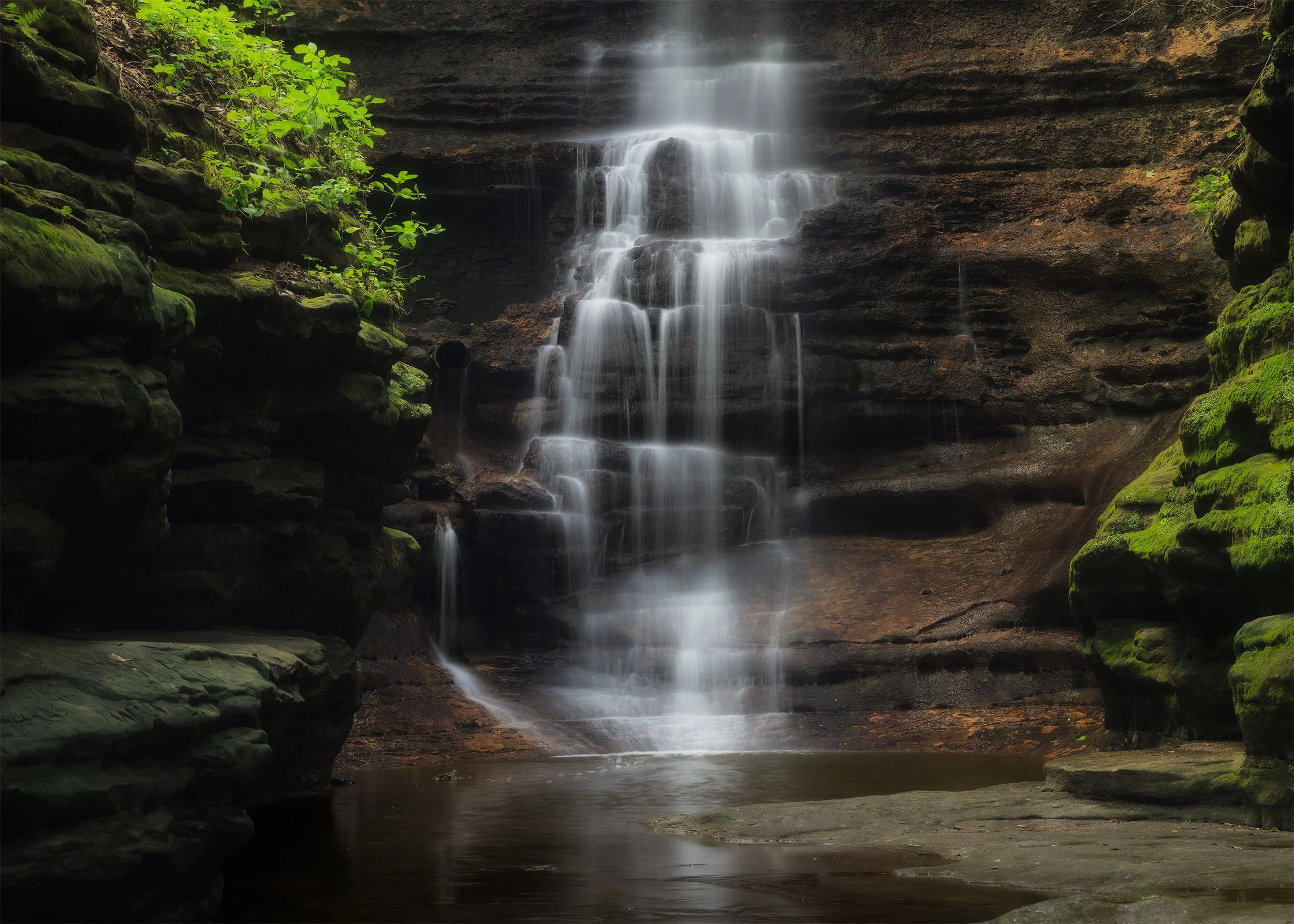
Spring brings the landscape back to life, and few subjects express that energy better than moving water. This Field Day is built around learning how to photograph waterfalls, cascades, and flowing streams with greater intention using movement not simply as a subject, but as part of the composition itself.
Throughout the day, we’ll explore how shutter speed changes the character of water, how to organize complex woodland scenes, and how to use flow, repetition, foregrounds, and surrounding forms to create photographs that feel cohesive and deliberate. We’ll also work with polarizers and neutral density filters, manage highlights, and study how small changes in timing can completely change the visual rhythm of a scene.
More importantly, we’ll move beyond simply finding a waterfall and setting up a tripod. We’ll slow down, study the landscape, identify what is happening within the scene, and wait for the moment when subject, movement, light, and composition come together.
Spring brings the landscape back to life, and few subjects express that energy better than moving water. This Field Day is built around learning how to photograph waterfalls, cascades, and flowing streams with greater intention using movement not simply as a subject, but as part of the composition itself.
Throughout the day, we’ll explore how shutter speed changes the character of water, how to organize complex woodland scenes, and how to use flow, repetition, foregrounds, and surrounding forms to create photographs that feel cohesive and deliberate. We’ll also work with polarizers and neutral density filters, manage highlights, and study how small changes in timing can completely change the visual rhythm of a scene.
More importantly, we’ll move beyond simply finding a waterfall and setting up a tripod. We’ll slow down, study the landscape, identify what is happening within the scene, and wait for the moment when subject, movement, light, and composition come together.